If you ride, train, or follow polo, Wellington in Palm Beach County is likely already on your radar. The winter season turns this village into one of the world’s busiest equestrian hubs, which shapes everything from pricing to traffic to the kinds of barns you’ll find. If you want a property that truly fits your program, you need a clear plan for location, features, and season logistics. This guide breaks down the main property types, what to inspect, and how to navigate rules and operating costs so you can buy with confidence. Let’s dive in.
Why Wellington is different
Wellington is a seasonal equestrian powerhouse. The Winter Equestrian Festival runs during the winter months, with major activity January through April. The Adequan Global Dressage Festival runs roughly November through April. Polo tournaments and other events also cluster in the winter months.
That calendar drives demand. Many buyers and second-home owners target a November to April window for living or renting. Inventory that is close to showgrounds and truly turn-key often commands a premium.
Buyer profiles vary. You see full-time equestrians with hobby farms, trainers who need professional barns, second-home owners who want easy access to the rings, and investors who focus on seasonal rental income. Your needs should guide where you buy and what you build or renovate.
Choose your property type
Event-adjacent properties
If staying close to the showgrounds is your top priority, look here. Properties within a few minutes’ drive, often under 2 to 3 miles, are popular with trainers and owners who need quick access.
- Typical features: 1 to 5 acres, a well-maintained barn with about 4 to 10 stalls, fenced paddocks, one or two arenas with appropriate footing, and easy trailer access.
- Lifestyle trade-offs: Heavier traffic and noise during the winter season, plus a price premium for the short commute.
Estate and hobby-farm properties
These are for privacy and space. You’ll find larger acreage in and around Wellington with room for full on-site training.
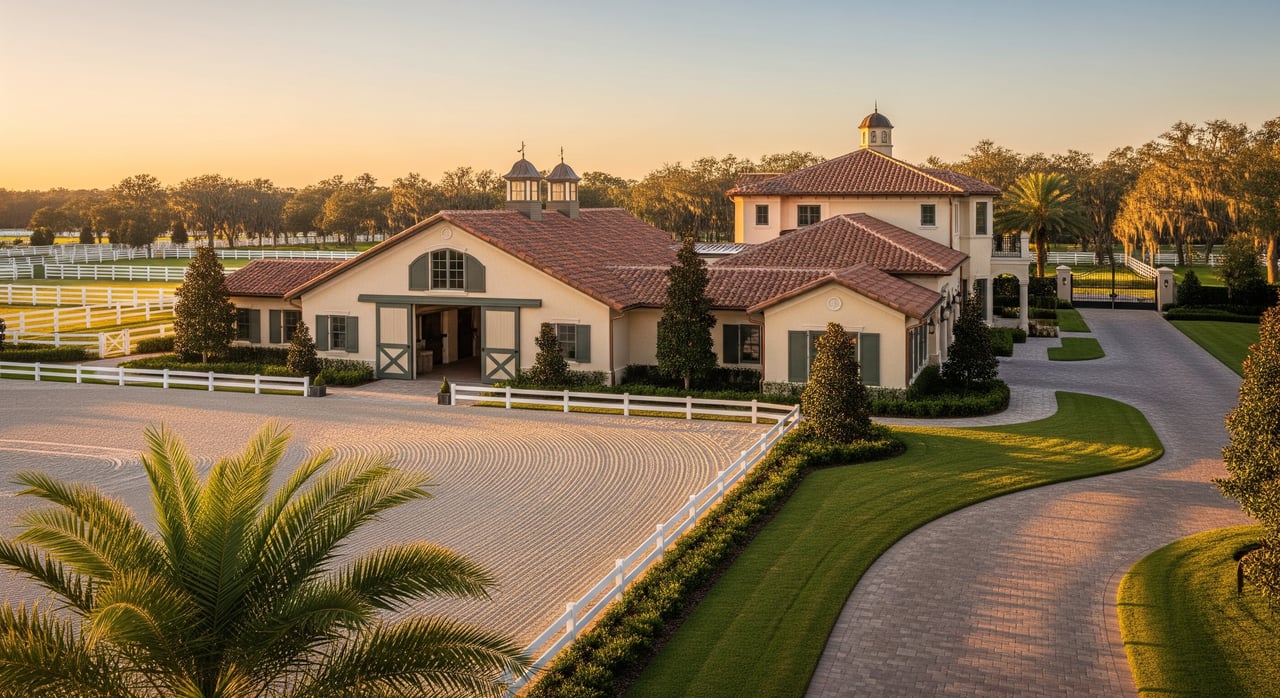
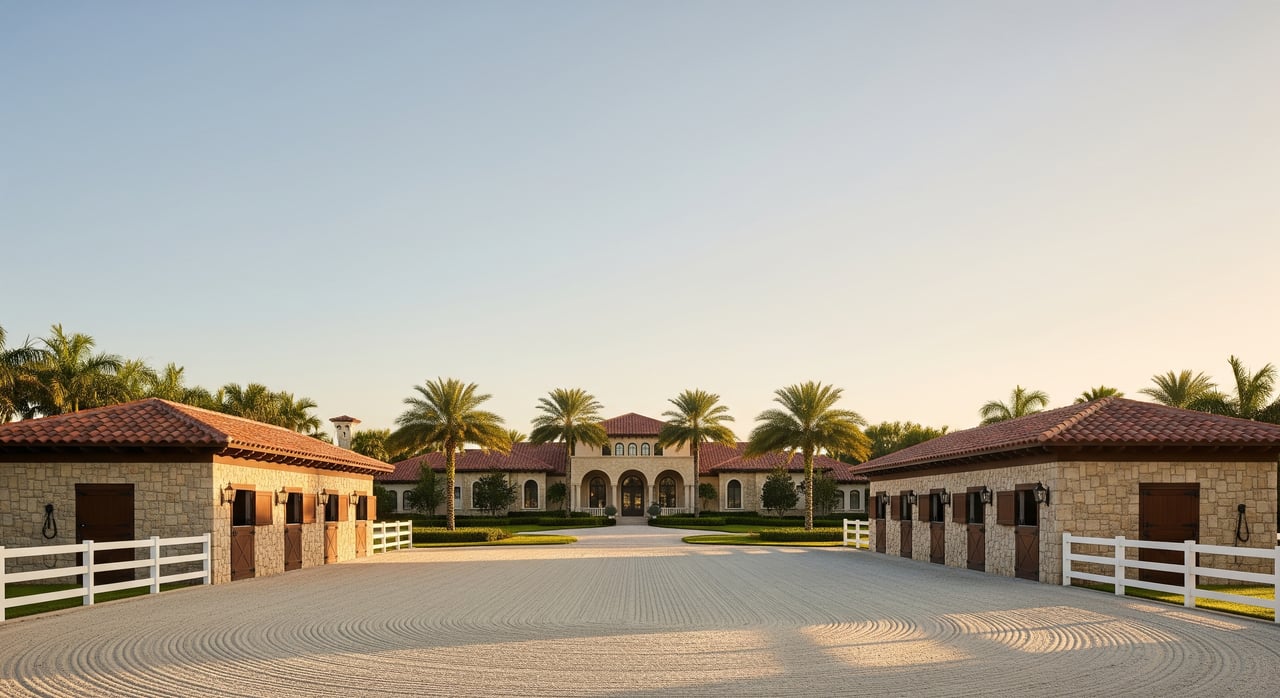
- Typical features: About 2 to 20-plus acres, custom barns with tack and feed rooms, wash stalls, turnout fields, covered or outdoor arenas, and sometimes a guest house or caretaker quarters.
- Trade-offs: Higher maintenance and operating costs, and a longer daily commute to the showgrounds.
Gated equestrian communities
Planned neighborhoods with equestrian permissions offer a managed lifestyle. This suits buyers who want shared amenities and HOA governance.
- Typical features: Community arenas and trails, smaller managed pastures, and covenants that guide barn design and animal counts.
- Trade-offs: HOA fees and restrictions, plus limits on commercial training or boarding.
Suburban or entry-level equestrian options
Closer to village amenities, these properties are a good first step into horse ownership at home.
- Typical features: Smaller lot sizes, 1 to 2 stalls, limited turnout, and fewer on-site amenities.
- Trade-offs: You may rely on nearby commercial boarding for full-service care or riding facilities.
Non-equestrian homes for seasonal use
Many competitors and owners live in condos, townhomes, or single-family homes without barns. Horses are boarded at full-service facilities.
- Why it works: Lower overhead, less maintenance, and close proximity to competition without managing a farm.
What to look for on site
Barn design and safety
Barn layout affects daily health and workflow. Look for appropriate stall size, safe aisle width, good ventilation with ridge vents or cupolas, and dry, durable flooring. A secure tack room, designated feed storage, hay protection, and a wash stall with hot water are important. Electrical safety and lighting should be up to current standards.
Arenas and footing
Footing quality is both a performance factor and an ongoing expense. Common footing types include sand, sand-fiber, synthetic, or all-weather systems. Check drainage design, base condition, and evidence of consistent maintenance. Arena lighting allows evening rides, and covered or indoor rings provide all-weather use.
Turnout, paddocks, and fencing
Turnout supports soundness and sanity. Evaluate paddock layout, cross-fencing, water access, shade, and run-in sheds. Inspect fence condition and materials, such as wood post-and-rail, PVC, or safe wire combinations. Pasture health and rotational options matter if you plan to graze.
Drainage and soil
Florida’s flat topography and seasonal rains demand engineered drainage. Look for raised arenas, well-planned swales, and sub-surface systems that shed water quickly. Saturated fields increase mud and hoof risk, so drainage is more than a convenience.
Utilities, parking, and support buildings
Confirm septic versus municipal sewer, well versus municipal water, and irrigation capacity. Separate electrical circuits for the barn, adequate generator capacity, and hot water sources all matter. Extra structures like equipment sheds, hay storage, and staff quarters add value. Trailer parking and turning radius should suit day-to-day use and show-season traffic.
Hurricane readiness
Hurricane resilience is essential. Look for shutters, roof tie-downs, and a clear plan for equine evacuation or sheltering. Review insurance needs for structures, operations, and horses. Wind deductibles and evacuation-related provisions can affect coverage.
Location and logistics checklist
- Distance and drive time to WEF, AGDF, and polo venues.
- Access to equine veterinarians, farriers, feed and hay suppliers, tack shops, and fuel.
- Drive time to Palm Beach International Airport for quick travel.
- Road design, driveway width, and trailer turning radius on-site.
- Parking for multiple rigs during winter months.
- Neighborhood traffic patterns during peak show hours.
Rules and risk checks
Zoning and permitted use come first. Confirm the number of horses allowed per acre and whether commercial boarding or training is permitted under Village of Wellington and Palm Beach County rules. If the property sits in an HOA, review covenants on structures, signage, rentals, and business activity.
Evaluate flood risk using FEMA maps and understand the implications for flood insurance. For improvements like new barns or covered arenas, expect building permits and possibly engineered plans, including for arena drainage. If you plan agricultural or farm classification for tax relief on certain uses, consult the Palm Beach County Property Appraiser for current criteria.
If seasonal rentals are part of your strategy, verify local rules for short-term rentals and business licensing, plus parking and traffic expectations. Review title for easements, including common drainage easements, and read sellers’ disclosures for any history of flooding, drainage work, pests, or structural issues in barns.
Operating costs and staffing
Budget for routine horse care like feed, bedding, farrier, vaccinations, and worming. Facility costs include footing maintenance and replacement, arena dragging and irrigation, fence repair, mowing, pest control, and utilities. Irrigation can be a major expense on sandy soils.
Barn labor is a meaningful line item. Many owners hire a full-time barn manager or part-time grooms, with seasonal staffing needs peaking in winter. Set aside reserves for capital items like arena resurfacing, barn roofing, or septic replacement. For high-value horses, consider equine mortality and major medical policies, which are separate from property coverage.
Seasonal strategy for part-time owners
If you use the property seasonally, consider boarding at a full-service facility or hiring a local manager to maintain your barn. Pre-season planning makes a big difference. Line up vet and farrier schedules, confirm hay and forage supply, coordinate temporary staff, and plan trailer storage.
Many owners use a property manager for housekeeping, security, and general maintenance when they are away. A clear operations checklist helps keep the farm show-ready on arrival.
A smart touring plan
Seeing properties during the winter season reveals real traffic and activity patterns. Visit at different times of day to evaluate ventilation, odors, and turnout practices. If you plan to show, drive a rig to the property and perform a trailer-turn test when allowed.
Ask for maintenance logs on arenas, irrigation systems, and septic service. Request details on when footing was last leveled or replaced. Confirm cellular and internet coverage for video monitoring and business operations.
Ready to buy in Wellington?
You deserve a property that fits your program, budget, and lifestyle without costly surprises. With local insight, equine-savvy inspections, and a clear plan for the season, you can make a confident move in Wellington’s competitive market. If you want tailored guidance, introductions to trusted local pros, and a smooth path from search to close, connect with Elena Terrones.
FAQs
How close to the showgrounds should I buy?
- Trainers and frequent competitors usually target a drive under 10 minutes, while many owners who ship in aim to be within a few miles to reduce rig time. Closer-in locations trade lot size and price for convenience.
How many acres do I need per horse in Wellington?
- It depends on your management style. For regular turnout and rotational grazing, many buyers look for 2 or more acres per horse, though intensive management and boarding options can change that. Evaluate pasture capacity for your plan.
Can I run a boarding or training business from my property?
- Possibly, but it depends on zoning, HOA covenants, and Village or County rules. Verify permitted uses, animal counts, parking, and traffic limits before you buy.
What matters more, arena footing or barn condition?
- Both are important. Safe, well-designed barns protect daily health and reduce liability. Footing is often the largest recurring facility cost and is crucial for performance and soundness.
What inspections should I order for a horse property?
- Get a structural review of the barn, an assessment of arena base and footing, a drainage and soil evaluation, septic testing if applicable, and a site survey for setbacks and easements. Ask for maintenance records.
When is the best time to shop in Wellington’s equestrian market?
- Activity peaks around the winter season tied to WEF and AGDF. Many buyers secure properties before November to be ready for the season, while investors also target the November to April rental window.