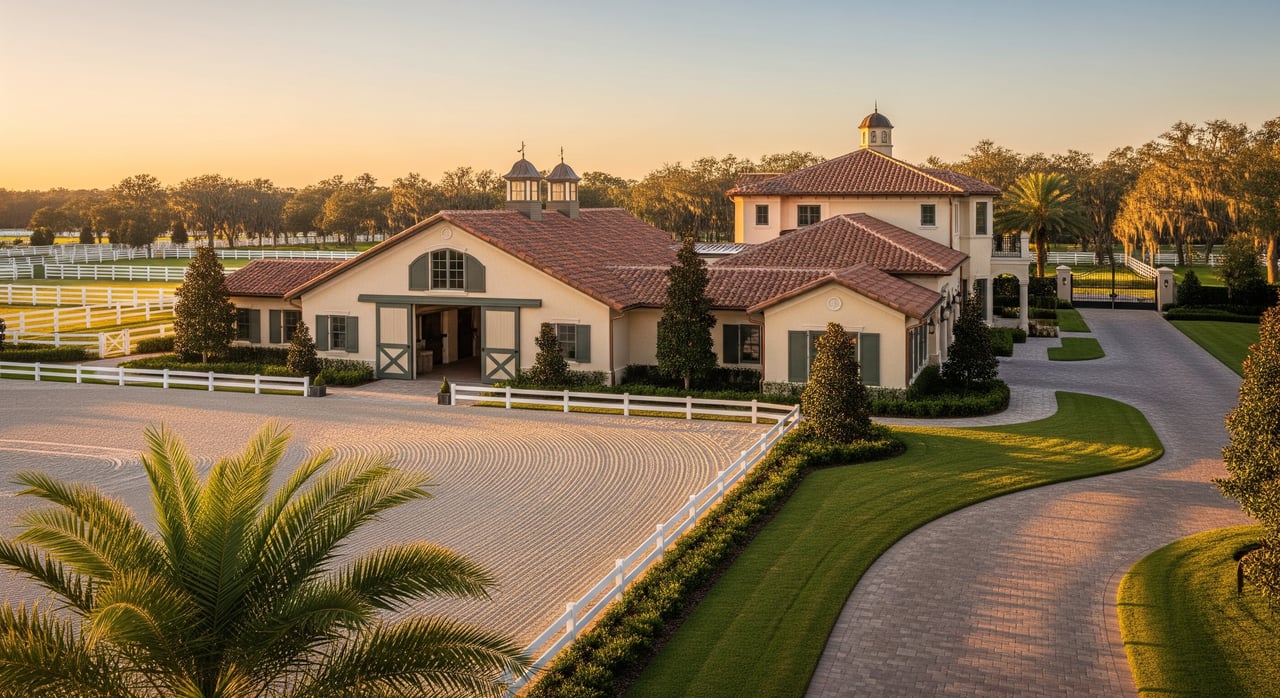
Dreaming of riding from your backyard to world-class arenas without loading the trailer? If you are exploring an equestrian home in Wellington, you want clarity on season timing, barn must‑haves, and how close you should be to the showgrounds. This guide gives you the essentials to buy confidently, from property features and zoning to inspections, insurance, and storm prep. Let’s dive in.
Which Wellington we mean
Many buyers say “Wellington, FL” when they mean the internationally recognized equestrian community in Palm Beach County. That is the focus of this guide. You can learn more about the town on the official Town of Wellington site. If you intended a different Wellington in Hillsborough County, the equestrian infrastructure and show calendar will differ, so confirm the county before you start touring.
Season and venues
Peak season at a glance
Wellington’s peak show season runs in winter and early spring. The Winter Equestrian Festival schedule typically spans January through April. Dressage riders follow the overlapping Global Dressage Festival during the same months. Many facilities operate year‑round for training, sales, and schooling.
Where you will ride and show
The heart of competition is the Palm Beach International Equestrian Center, the home base for many hunter, jumper, and dressage events. The area around PBIEC includes private show barns, training centers, and seasonal stabling. During peak weeks, demand for temporary stalls and show services rises, so proximity matters.
Property features to prioritize
Barn and stall essentials
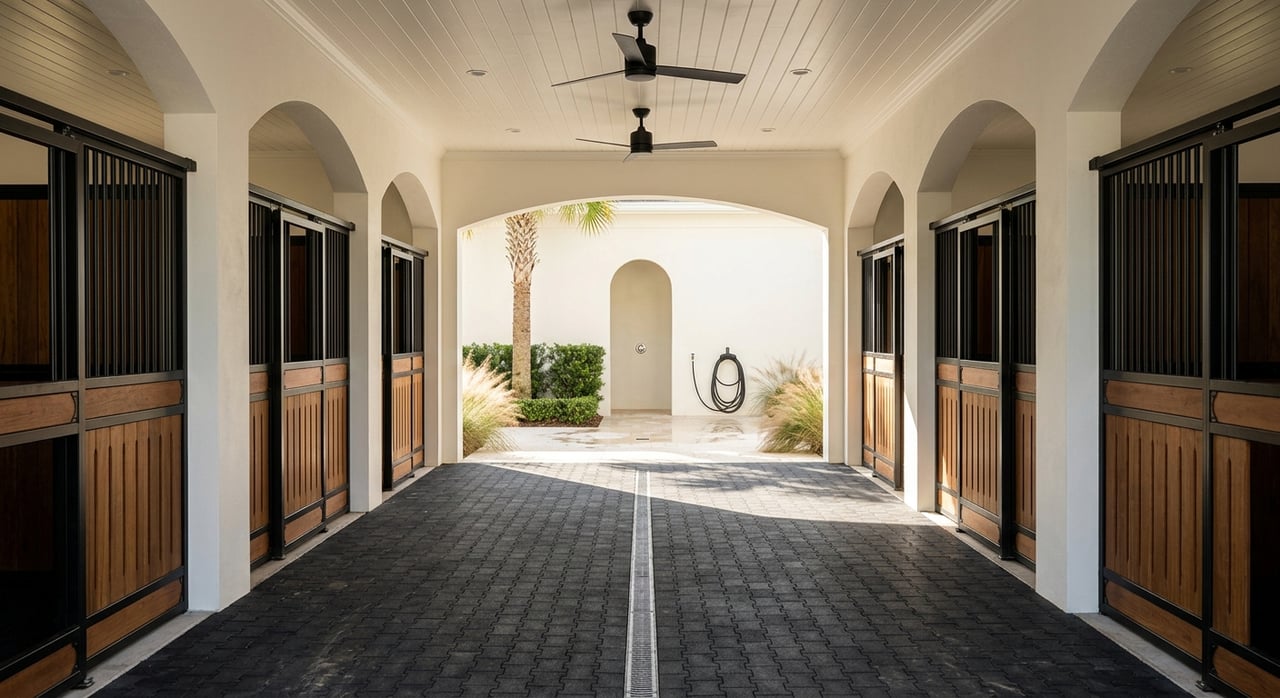
Look for a clean, well‑ventilated barn layout that suits your program, whether center‑aisle or shed‑row. Stall size should match your horses, with durable flooring like rubber mats over a compacted base and smart drainage. You will want a secure tack room and feed room, plus a wash rack with non‑slip footing and hot water if possible.
Arena and footing
A reliable arena with consistent, well‑drained footing is a safety and performance priority. Ask about the base, footing material, and maintenance routine. Lighting extends ride time and is helpful in summer and during show weeks. Covered arenas or shade can improve year‑round usability.
Turnout and fencing
Plan for adequate turnout per horse with paddock rotation. Choose safe, visible fencing materials in good condition. Include run‑in shelters or easy access to the barn for weather shifts.
Trailer access and parking
Confirm your driveway width, turning radius, and surface so large rigs can maneuver safely. You will want flat load and unload zones and space for multi‑trailer parking when friends or clients visit during season.
Water, power, and septic
Horse properties use more water for drinking, washing, and arena dust control. Verify municipal versus well supply, well capacity, and water quality. Ensure electrical capacity for barn fans and arena lights, and check that septic systems are sized for your household, barn usage, and any staff or guests.
Acreage, zoning, and HOAs
Acreage needs vary, but many buyers seek 1 or more acres for small private setups and 3 to 10 or more acres for training facilities. Confirm zoning for the number of horses, permitted outbuildings, and any commercial use like boarding or lessons. Review HOA covenants early so you are not surprised by limits on animals, fencing, or accessory structures.
Climate and storm resilience
Hurricane readiness matters. Evaluate tie‑down points, secure doors and windows, and stowage for loose materials. Drainage, elevation, and flood risk are key. Use the FEMA Flood Map Service Center to look up flood zones and discuss insurance with your advisor.
Boarding, training, and support services
Boarding models and packages
Full board includes daily feeding, stall care, and turnout with higher convenience. Partial or pasture board offers a lighter service model. Many riders opt for training or competition packages during season, which can include lessons, conditioning, and show management.
Trainers and seasonal logistics
Wellington clusters trainers and show barns within short drives of PBIEC. During peak weeks, temporary stabling demand increases and schedules fill fast. If you plan to travel in for the season, reserve stalls and services well in advance.
Veterinary, farrier, and supply network
Access to ambulatory vets, specialists, and experienced farriers is a major reason equestrians choose Wellington. Get on service lists early, especially for sport horses. For general rules and competition standards, visit the U.S. Equestrian Federation.
Staffing and onsite management
If you need grooms or a barn manager, consider space for live‑in quarters or easy commuting options. Talk with your insurance provider about liability coverage if you board, train, or host lessons onsite.
Smart due diligence before you buy
Inspections and assessments
- Barns and outbuildings: check structural integrity, roofing, electrical safety, and pest or rot issues.
- Arenas and footing: confirm the base, drainage, and maintenance plan.
- Soil and drainage: review how water moves on the property and where it collects.
- Water systems: test well water for quality and verify output.
- Title and easements: look for utility or conservation easements that could affect improvements.
Zoning, permits, and HOA rules
- Confirm horse counts per acre and whether commercial boarding or training is allowed.
- Verify permits for existing barns, arenas, and accessory dwellings.
- Request HOA documents early to review fencing, structure, and use restrictions.
Insurance and risk management
- Price homeowners, barn and outbuilding coverage, and any business liability if you plan to board or teach.
- Explore flood and hurricane coverage options, which are often separate from standard policies.
- Consider equine mortality and major medical policies for your horses.
Financial and operating costs
- Budget for feed, bedding, staff, farrier, vet, fuel, arena maintenance, and property taxes.
- Ask about agricultural exemptions and what qualifies in your county.
- If you plan seasonal boarding income, understand local demand and any licensing requirements.
Resale and flexibility
- Properties within quick reach of PBIEC are highly marketable to competitors and seasonal owners.
- Keep improvements flexible. Convertible stalls and multipurpose arenas appeal to more buyers.
- Maintain facilities to preserve value and shorten time on market.
Buyer checklist you can use
- Define your program: number of horses, training needs, and staff plan.
- Decide your ideal drive time to PBIEC during show weeks.
- Set acreage and layout preferences, including arena type and lighting.
- Confirm zoning for horse counts and any commercial activity.
- Review HOA covenants and architectural rules if applicable.
- Hire an inspector familiar with barns and outbuildings.
- Assess drainage, flood zones, and hurricane readiness.
- Verify water supply, electrical capacity, and septic sizing.
- Price out insurance, including flood and business liability if relevant.
- Line up vet, farrier, feed, and bedding suppliers before closing.
- Plan staffing or housing for grooms if you need onsite help.
- Map operating costs for season and off‑season.
Drive‑time and location strategy
In season, time is money. A short commute to PBIEC can make training and show days far more efficient. Many buyers set a target of minutes, not half hours, to the showgrounds.
Proximity also helps with seasonal logistics. When you are close to the center of action, it is easier to coordinate vet and farrier visits, accept deliveries, and handle last‑minute schedule changes.
How a local advisor helps
Buying an equestrian property has moving parts that go beyond a standard home search. You benefit from guidance on zoning and HOAs, inspections for barns and arenas, and a realistic operating budget tied to your goals. A Palm Beach‑based advisor can also help you plan season timing, line up service providers, and position your purchase for long‑term resale.
Ready to explore Wellington with a clear plan? Connect with Elena Terrones to map your wish list to the right properties, coordinate due diligence, and move confidently toward a horse‑ready home.
FAQs
Which Wellington is the equestrian hub in Florida?
- The globally recognized equestrian hub is Wellington in Palm Beach County, home to PBIEC, WEF, and the Global Dressage Festival.
When is peak show season in Wellington, Florida?
- Peak season typically runs January through April, anchored by the Winter Equestrian Festival and the Global Dressage Festival.
How close should I live to PBIEC for convenience?
- Many buyers aim for a short drive measured in minutes to maximize training time and reduce show‑day logistics.
What barn and arena features matter most for safety?
- Look for well‑ventilated stalls with proper drainage and durable flooring, plus a well‑drained arena with consistent footing and adequate lighting.
Do I need flood or hurricane insurance for an equestrian property?
- It is often recommended in South Florida; check the FEMA Flood Map Service Center to understand your zone and discuss coverage with your insurer.
Can I board or teach lessons at home in Wellington?
- It depends on zoning and HOA rules. Confirm allowed uses, horse counts, and any permits required before you buy.