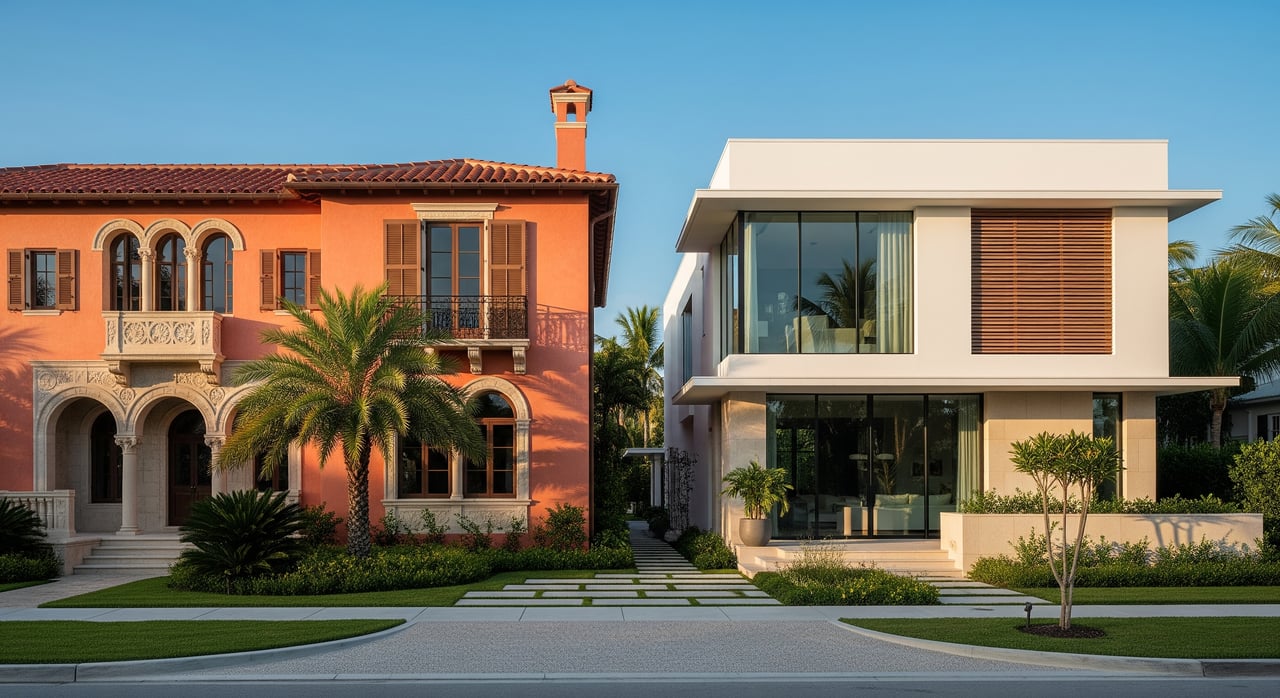
Thinking about buying a historic charmer or a newer build in West Palm Beach and wondering what the renovation really takes? You are not alone. Our climate, wind standards, and historic rules shape both scope and cost. In this guide, you will learn what to expect for Mediterranean and Craftsman homes versus newer construction, where the big-ticket items live, and how to plan your sequence and budget with confidence. Let’s dive in.
What drives scope in West Palm Beach
Humidity, sun, salt air, and hurricane exposure put extra stress on roofs, windows, and exterior finishes. Portions of the city fall within FEMA flood zones and high-wind regions, which can influence foundation, opening protection, and insurance. Florida Building Code sets wind load and opening protection standards, and the City of West Palm Beach enforces permits and inspections.
If you buy in a designated historic district, exterior changes often require review by the City’s Historic Preservation Board. That approval can affect materials, timelines, and cost. Plan for permitting and any needed Certificates of Appropriateness before you order materials or schedule work.
Historic homes: where work usually concentrates
Early Mediterranean Revival and Craftsman homes often offer beautiful character and quality materials. They also tend to need system updates and envelope work due to age and climate.
Roof and exterior envelope
Clay tile roofs are common on Mediterranean homes. Age-related issues include broken tiles, failing underlayment, and deteriorated flashings. Full replacement can run about $15,000 to $60,000 or more depending on size and whether you need historic-matching clay tile and upgraded tie-downs.
Craftsman exteriors often use wood siding that requires periodic repair and paint in our humid climate. Historic stucco can crack or delaminate, and repairs need to match texture and breathability. Expect targeted wood and stucco repairs as part of a typical refresh.
Windows and opening protection
Many historic homes retain original wood sash windows. These often have failing glazing putty, drafty gaps, and worn hardware. You can usually repair and weatherstrip for about $200 to $800 per window, or add storm protection for about $300 to $900 per opening. Full replacement with impact-rated units typically ranges from $700 to $1,800 per window, but preservation rules may guide you toward repair plus shutters or storm panels.
Structural and foundation
Older homes may sit on shallow footings or pier-and-beam supports. Look for settlement, compromised sills, and termite or moisture damage. Localized structural repairs might range from $1,000 to $10,000, while more significant stabilization or pier work can reach $5,000 to $30,000 or more.
Electrical
Historic homes often have smaller service panels and older wiring, including cloth-insulated wiring or even knob-and-tube in rare cases. A panel upgrade typically costs $1,500 to $4,500. Partial rewiring can run $2,500 to $10,000, while full rewiring for a larger house may range from $8,000 to $40,000 or more.
HVAC and humidity control
Aging systems may be undersized or inefficient, and older layouts can complicate duct runs. Replacing a central AC unit usually falls between $6,000 and $15,000, and systems that require new ductwork or mini-splits may reach $8,000 to $30,000 or more. In our climate, improved dehumidification often pays off in comfort and durability.
Plumbing
Galvanized supply lines and cast-iron drains are common in older homes and can be corroded or leaking. Full repipes typically range from $6,000 to $20,000 or more, depending on access and fixture count. Partial repipes or targeted repairs cost less but may not solve systemic issues.
Interiors and finishes
Historic plaster, wood floors, and trim can often be repaired rather than replaced. Allow for plaster repair and repainting in the range of $3,000 to $12,000 and keep in mind potential lead paint or asbestos abatement depending on what you uncover. Kitchens and baths vary widely, with midrange remodels typically landing around $25,000 to $75,000 for a kitchen and $10,000 to $30,000 for a bath.
Newer homes: likely projects and costs
Newer builds in the area often have concrete block or modern framing, impact windows or shutters, and improved tie-downs. Systems are generally closer to current code, which can reduce surprises.
- Roofs: Asphalt shingle replacements commonly range from $6,000 to $20,000 or more, depending on size and complexity. Modern underlayments and flashing details often simplify work.
- Windows: Many newer homes already have double-glazed or impact-rated units. If replacements are needed, expect roughly $700 to $1,800 per window, or consider shutters for opening protection.
- Electrical and plumbing: Service is often 200 amps with modern wiring and PEX or copper plumbing. Upgrades are typically limited to project-specific needs, such as kitchen circuits or EV charging.
- HVAC: Systems still age in Florida heat. Replacement costs are similar, though ductwork may be more straightforward in newer layouts.
Overall, comparable renovations in newer homes often land lower than historic properties because there are fewer preservation constraints and fewer hidden conditions.
Permits, historic review, and insurance
Most envelope and systems work requires permits and inspections. If the property is within a historic district, plan for design review and approval before visible exterior work like roof replacement, window changes, or porch modifications. Coordinate with both the building department and, when applicable, the Historic Preservation Board.
Insurance carriers in coastal Florida weigh roof age and type, opening protection, and mitigation features. Installing impact protection, replacing an aged roof, or adding hurricane straps can help reduce premiums and increase carrier options. Lenders may also require electrical or plumbing updates for older systems to approve financing.
Budget ranges: planning what it may take
- Minor historic refresh: paint, selective wood or stucco repairs, HVAC tune-up, and window repairs often total about $15,000 to $50,000.
- Moderate historic systems renovation: roof, window upgrades or protection, HVAC replacement, partial repipe or rewire, and some interiors commonly range from $50,000 to $200,000.
- Full historic restoration: structural remediation, full systems replacement, clay tile roof, and comprehensive interiors can run from $200,000 to more than $1 million.
- Comparable scope for newer homes: often lower, with moderate renovations in the $40,000 to $150,000 range depending on size and finishes.
Build in a contingency. Historic projects can uncover surprises behind walls or under floors. A 15 to 30 percent contingency is prudent, and more may be wise for complex restorations.
Smart sequencing that saves money
Tackle the right work in the right order to limit rework and protect finishes.
- Investigate and plan
- Get a full home inspection plus roof, termite, sewer scope, and targeted HVAC, electrical, and plumbing evaluations.
- If historic, engage the preservation office early to confirm what is allowed and what documentation you will need.
- Secure structure and envelope
- Address foundation, framing, the roof including underlayment and flashings, and repair stucco or siding to stop water intrusion.
- Resolve wet systems and hazards
- Handle plumbing that requires opening walls, and take care of any mold remediation, lead paint, or asbestos issues.
- Upgrade mechanicals and electrical
- Replace HVAC and ductwork where needed, upgrade service panels, and complete essential rewiring.
- Windows and protection
- Coordinate window repair or replacement with envelope work. Install storm panels or shutters where planned.
- Insulation and energy improvements
- Add insulation and air sealing once walls are open and dry.
- Interiors and finishes
- Complete plaster or drywall, paint, flooring, millwork, cabinets, and fixtures.
- Exterior finish and site
- Wrap with exterior paint, trim, and landscaping once heavy work is complete.
Buyer, seller, and investor takeaways
For buyers, the key is clarity. Prioritize inspections, confirm preservation requirements if applicable, and budget for roof, opening protection, and essential system upgrades. Historic character can be worth the effort when you plan the work and the sequence.
For sellers of historic homes, focus on visible safety and water issues, a sound roof, and a serviceable HVAC. An electrical panel upgrade often gives buyers confidence and can ease insurance hurdles. Many buyers value original features, so clean, well-maintained authenticity beats mismatched replacements.
For investors, the spread lives in disciplined scoping and execution. Factor approval timelines and specialty trades into your hold period. Consider impact upgrades that also cut insurance costs, and keep detailed permits and documentation to support appraisal and buyer due diligence.
Ready to weigh your options and map the right plan for your property? Connect with Elena Terrones for local, development-savvy guidance, ROI-minded renovation advice, and marketing strategies tailored to Palm Beach County.
FAQs
What should West Palm Beach buyers inspect first in an older home?
- Start with roof condition and underlayment, signs of water intrusion in walls and stucco or siding, electrical service and wiring type, plumbing materials, and any structural settlement or termite activity.
How do historic rules affect window upgrades in West Palm Beach?
- In historic districts, you may be encouraged to repair original wood windows and add storm protection rather than replace them, and any visible exterior changes can require review and approval before installation.
What does a tile roof replacement cost on a historic Mediterranean home?
- Full replacements commonly range from about $15,000 to $60,000 or more depending on roof size, tile selection, underlayment needs, and wind-resistance upgrades required by code.
How do insurance and lenders view older systems in Florida homes?
- Carriers and lenders often look for a newer roof, opening protection, and modernized electrical and plumbing; upgrades in these areas can help with approvals and may reduce premiums.
What contingency should you set for a historic renovation budget?
- A 15 to 30 percent contingency is a smart baseline due to hidden conditions, and complex projects with structural or extensive interior work may warrant even more.