Should you go for a sleek condo downtown or a spacious townhome a few minutes inland? If you are shopping in West Palm Beach, the right pick comes down to what you actually own, how the building is governed, and how those rules affect your monthly costs and financing. You want a low‑stress place that fits your lifestyle and your budget. In this guide, you will learn the real differences in Florida, how insurance and inspections change the math, and a simple checklist to compare options with confidence. Let’s dive in.
Condo vs townhome basics in Florida
What you actually own
- In Florida, a condo is a form of ownership. You own a defined unit plus a share of the common elements. Rules for condos live in the Florida Condominium Act, Chapter 718. You can review the definitions and insurance rules in Chapter 718 of the Florida Statutes.
- “Townhome” describes a building style, not ownership. In our area, a townhome can be titled as a condo or as a fee‑simple parcel inside an HOA. Fee‑simple parcels are governed by Chapter 720 of the Florida Statutes.
- Practical takeaway: always confirm the recorded form of ownership and association documents. These determine who maintains what, how reserves work, and which insurance you need.
Why the legal form matters
- Chapter 718 (condo) and Chapter 720 (HOA) set different rules for meetings, budgets, reserves, disclosures, liens, and enforcement. Lenders and insurers care about these differences.
- Your closing checklist changes based on the statute. For example, HOA parcels have specific estoppel timing rules under Chapter 720 that affect underwriting and closing.
Association rules, reserves, and inspections
Milestone inspections and SIRS
- After the Surfside collapse, Florida created milestone structural inspections and Structural Integrity Reserve Studies (SIRS) for many buildings with three or more habitable stories. See the state’s guidance timeline from DBPR’s condo division here.
- Follow‑on legislation (HB 913, signed June 23, 2025) adjusted SIRS timing and funding options and offered temporary relief in some cases. You can read the state’s summary in the Governor’s press release.
- What this means for you: older mid‑ and high‑rises in West Palm Beach may face increased dues or special assessments to fund required work. Ask for the milestone report, SIRS, board minutes, and any repair plan before you make an offer.
Key documents to review before you buy
- For condos (Chapter 718): declaration, bylaws, rules, budget, reserves, insurance declarations, latest replacement‑cost appraisal, milestone/SIRS reports, and 12 months of minutes.
- For fee‑simple townhomes in HOAs (Chapter 720): recorded covenants, rules, budget and reserves, master insurance on common areas, and an estoppel certificate. Under Chapter 720, the association must issue an estoppel within a set timeline, and it shows fees, delinquencies, and special assessments.
- For both: ask about pending litigation, planned capital projects, insurance renewals, and master‑policy deductibles.
Insurance and maintenance costs
Condos: master policy plus HO‑6
- Condo associations typically insure the building structure and common elements under a master policy. Unit owners carry an HO‑6 policy for interior finishes, personal property, liability, and often loss‑assessment coverage. The statute outlines association insurance duties in Chapter 718. Confirm whether the master policy is “all‑in” or “bare‑walls‑in.”
Townhomes: fee‑simple responsibilities
- In a fee‑simple townhome, you often insure the exterior and roof yourself, while the HOA insures shared areas. The split of responsibilities is set by the recorded covenants under Chapter 720. Get the association’s insurance contact and current declarations.
Flood and coastal risk in West Palm Beach
- Many parcels near the Intracoastal or in low‑lying areas fall within FEMA flood zones. If the property is in a Special Flood Hazard Area, most lenders will require flood insurance. Use FEMA’s tool to check a specific address and budget for premiums. Start with this local map overview for West Palm Beach flood zones.
- Florida’s wind market is volatile, and some buildings carry large deductibles. A building with low dues but high wind or flood deductibles can still be a costly choice.
Financing differences that affect your decision
Condo project eligibility
- Conventional lenders and the GSEs test condo “warrantability.” They look at reserves, owner‑occupancy, commercial space, litigation, assessments, and insurance. Loans in non‑warrantable condos often need larger down payments or portfolio financing. See Fannie Mae’s overview of condo, co‑op, and PUD eligibility.
- FHA requires project approval too, but it offers a Single‑Unit Approval path in some cases. Learn more on HUD’s page for FHA condominium approvals and SUA.
Townhomes and PUDs
- Fee‑simple townhomes in a PUD often qualify for standard single‑family financing without the condo project review. Lenders still check HOA budgets, delinquencies, and rules, but many buyers find this path simpler than an older condo with tight reserves.
Lifestyle and location tradeoffs in WPB
- Downtown and waterfront condo towers appeal if you want amenities, walkability, and easy lock‑and‑leave living. Local examples include boutique buildings like Esplanade Grande and luxury towers like South Flagler House in development by Related, profiled on Related’s site. Expect premium amenities, along with close scrutiny of reserves, inspections, and insurance.
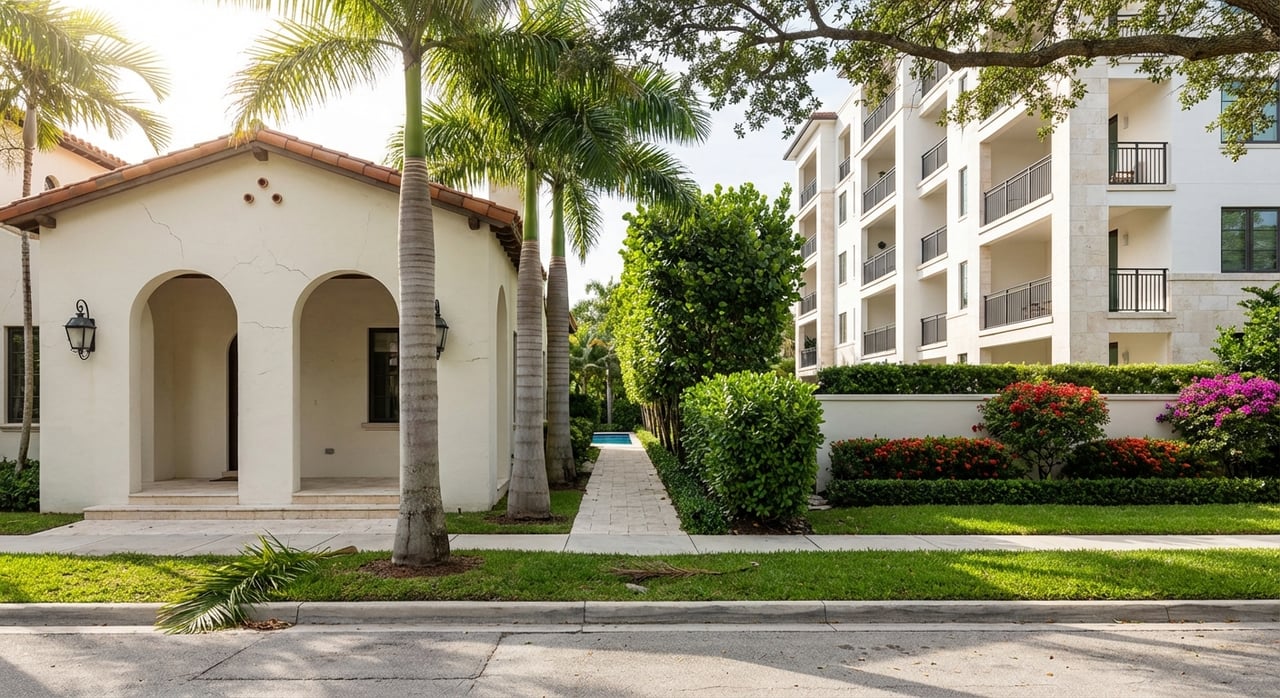
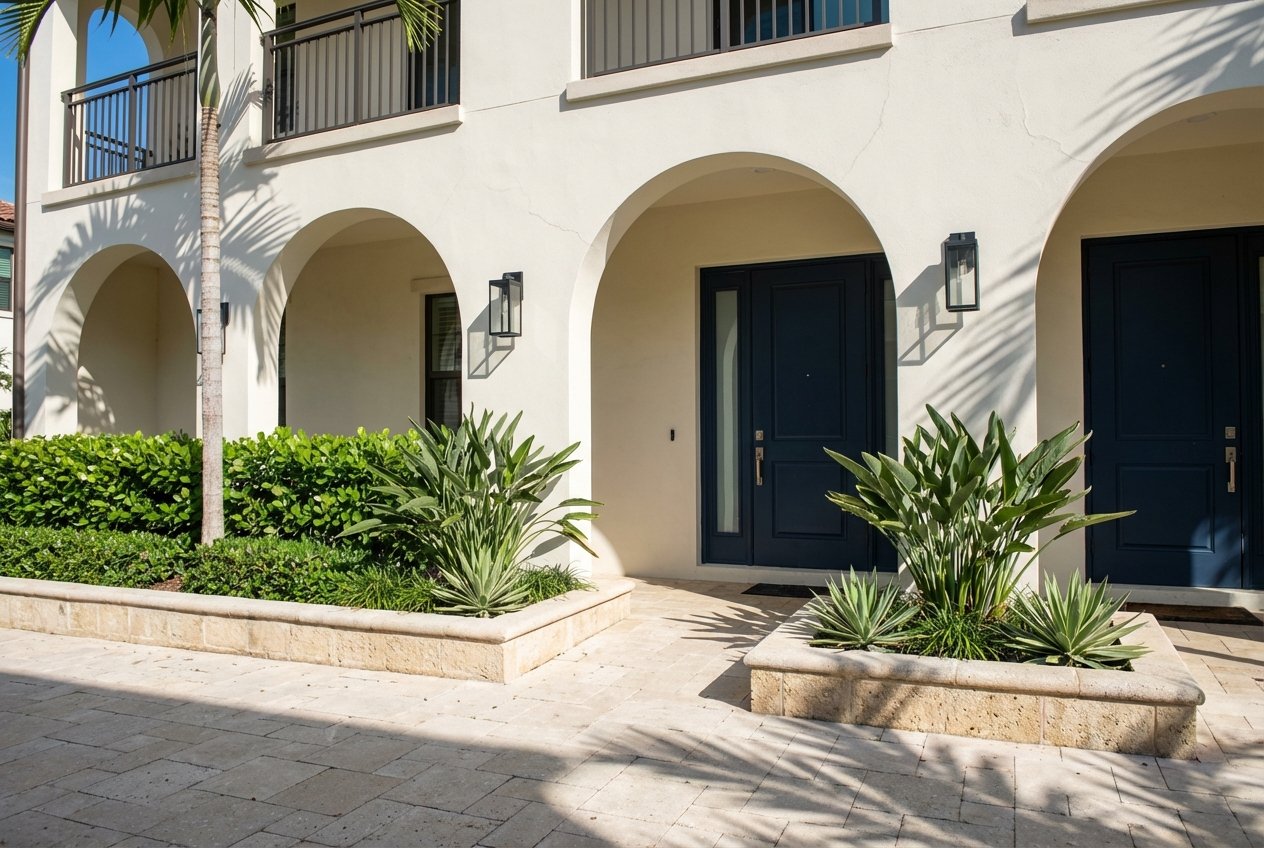
- Townhome communities across the metro often deliver more space for the dollar, private entries, and attached garages. Some live more like single‑family homes, with different insurance and maintenance responsibilities. If you want a bit more elbow room without full yard care, a fee‑simple townhome may be the sweet spot.
What actually costs more per month?
Compare apples to apples by building a simple monthly budget for each address on your list:
- Association dues: include cable, internet, reserves, and security if applicable.
- Insurance: add HO‑6 for condos, homeowners for fee‑simple townhomes, plus flood if required.
- Special assessments: note any active or likely assessments tied to milestone/SIRS, roof projects, or insurance renewals.
- Utilities and parking: list what is included vs separate.
A condo with strong reserves and a comprehensive master policy may be more predictable. A fee‑simple townhome may reduce association dues but shift exterior costs and storm risk to you. The right answer depends on the property’s documents, not just the building type.
A quick decision framework
- Choose a condo if you want on‑site amenities, a staffed lobby, and minimal exterior maintenance on your to‑do list, and you are comfortable reviewing project financials and inspection history.
- Choose a fee‑simple townhome if you want more space and private entries, prefer standard single‑family style insurance and financing, and are fine owning the roof and exterior.
- If you need FHA or low‑down conventional financing, confirm condo project status early. A townhome in a PUD can be simpler to finance in some cases.
- If you are sensitive to risk, favor communities with healthy reserves, clean inspection reports, and stable insurance renewals.
Buyer due‑diligence checklist
Use this list to compare any condo or townhome you tour:
- Confirm legal form of ownership: recorded declaration of condominium under Chapter 718 or recorded covenants/plat under Chapter 720.
- Request core docs: current budget, latest financials, reserve study, 12 months of board minutes, insurance declarations, milestone inspection and SIRS (if 3 or more habitable stories), and any written repair plan.
- Ask about assessments: active or proposed special assessments, amounts, terms, and purpose.
- Verify insurance: master policy carrier and limits, wind and flood coverage, and deductibles. Budget for HO‑6 or homeowners policy and flood if in a mapped zone.
- Get an estoppel (HOA parcels): confirm fees, delinquencies, and assessments, noting Chapter 720’s timing rules.
- Check rental rules: minimum lease terms and any short‑term restrictions, since these affect resale and financing.
- Talk to your lender early: is the condo warrantable, and is FHA/VA approval or Single‑Unit Approval needed? See Fannie Mae’s eligibility overview and HUD’s FHA guidance.
- Confirm flood risk: review FEMA mapping for the address and consider elevation and storm‑surge exposure. Start with the West Palm Beach flood zone map.
How we help you decide
You do not have to navigate this alone. I compare total monthly costs line by line, pull the right association documents, coordinate with your lender on condo warrantability or PUD details, and source insurance quotes so you see the full picture before you bid. If you are selling, I position your condo or townhome with Compass’s marketing platform and concierge services to elevate presentation and reach motivated buyers.
Ready to compare properties or build a custom cost sheet for your short list? Reach out to Elena Terrones to get started.
FAQs
What is the difference between a condo and a townhome in Florida law?
- A condo is an ownership form governed by Chapter 718; a townhome is a building style that can be titled as a condo or as a fee‑simple parcel inside an HOA under Chapter 720.
What inspections and reserves should I check for a West Palm Beach condo?
- Request the milestone structural inspection, the Structural Integrity Reserve Study (SIRS), budgets, reserves, insurance declarations, and 12 months of minutes; see DBPR’s state timeline.
How does flood insurance work for condos vs townhomes near the Intracoastal?
- Lenders require flood insurance if the property is in a Special Flood Hazard Area; condos rely on the association’s master flood policy plus your HO‑6, while fee‑simple townhomes need a separate flood policy—start with a West Palm Beach flood zone check.
Will an FHA loan work for a downtown West Palm Beach condo?
- It can if the project is FHA‑approved or if your unit qualifies for FHA’s Single‑Unit Approval; review HUD’s condo approval and SUA guidance and ask your lender early.
What red flags should I watch for in Palm Beach County condo associations?
- Low reserves, large or pending assessments, insurer non‑renewal or high deductibles, significant litigation, high delinquency, or unresolved milestone/SIRS findings can hurt affordability and financing.
Is a fee‑simple townhome in a PUD treated like a single‑family home by lenders?
- Often yes: many fee‑simple townhomes in PUDs follow standard single‑family underwriting and skip condo project reviews, though lenders still examine HOA budgets and rules—see Fannie Mae’s eligibility overview.