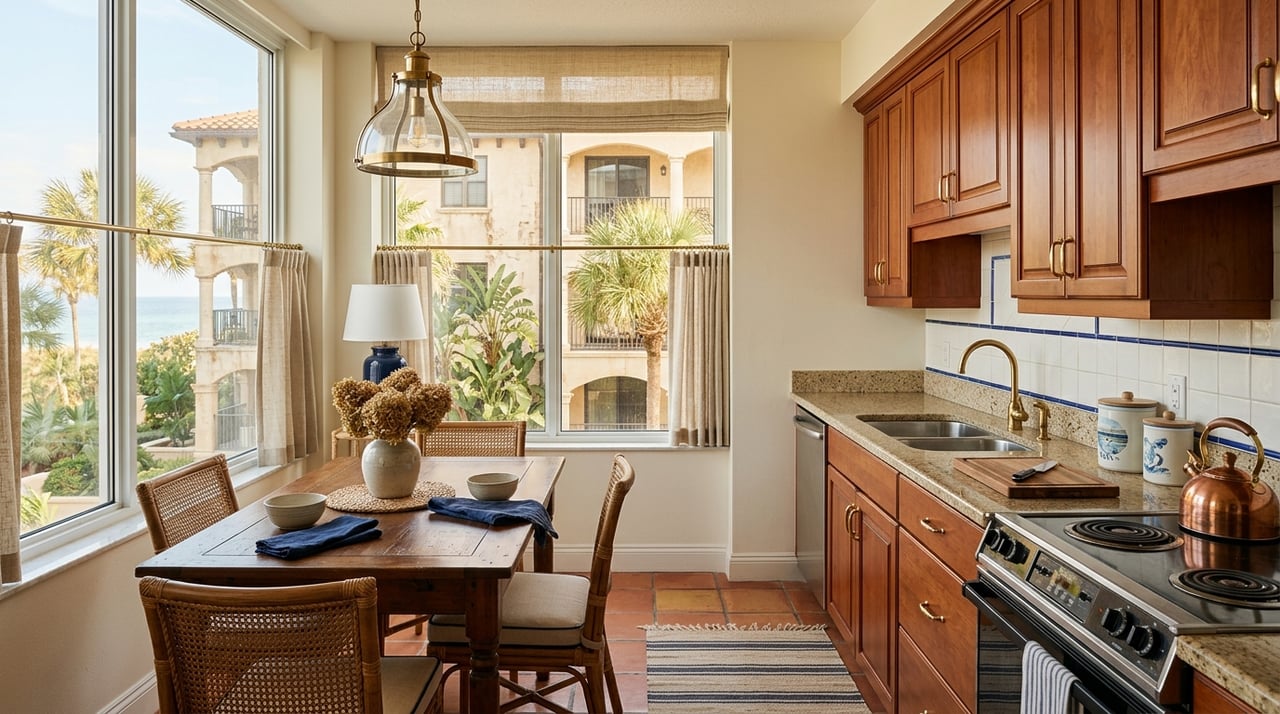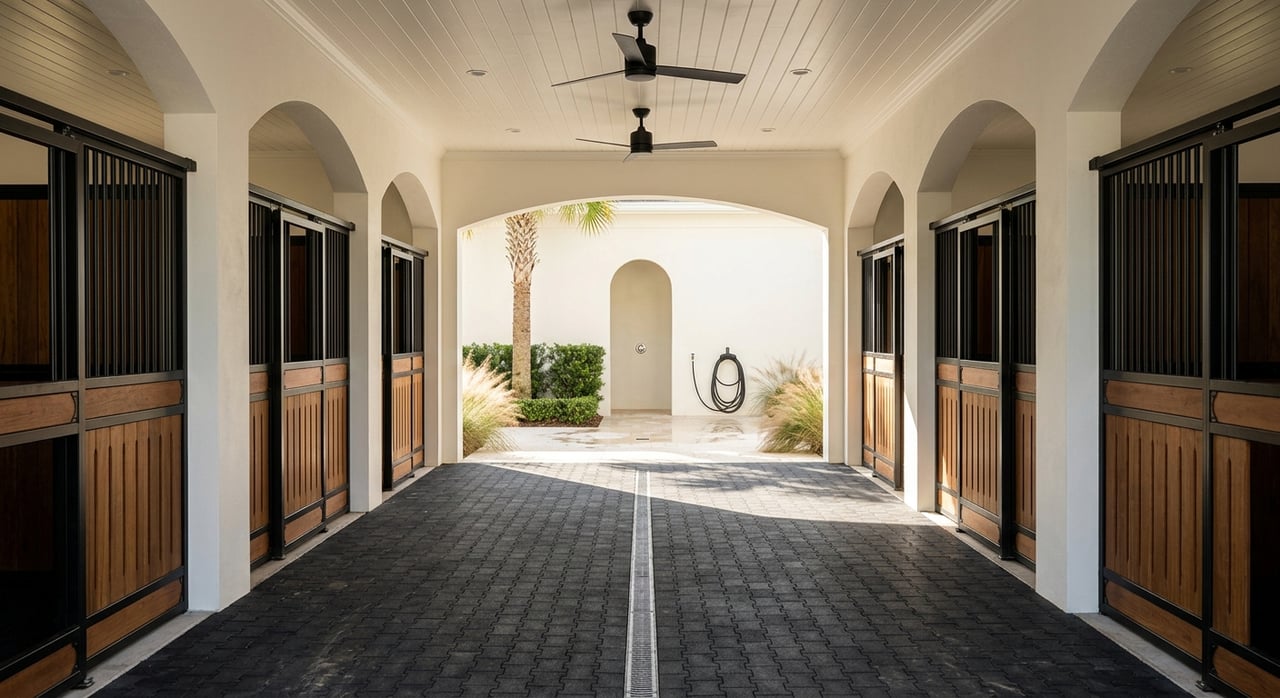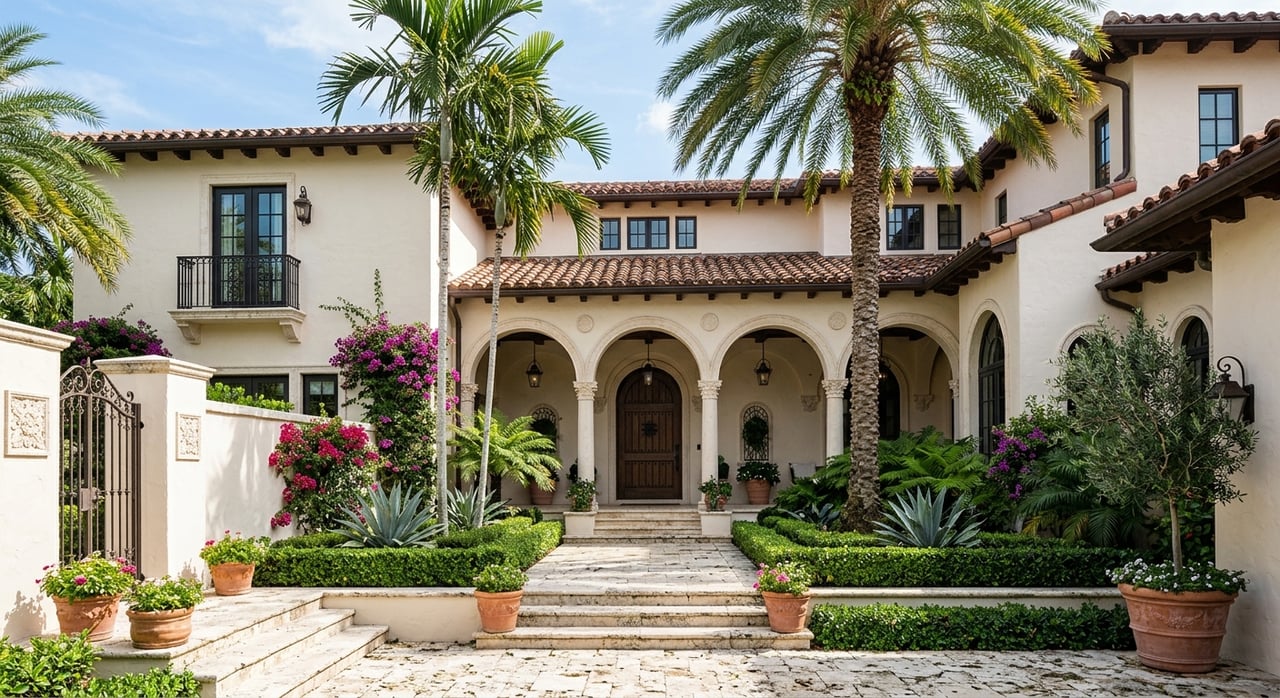
Trying to choose between a brand-new boutique build on the water and a beautifully situated resale in an established Jupiter address? It is a great problem to have, yet the details can feel overwhelming once you factor in upgrades, HOAs, club dues, insurance, and timelines. In this guide, you’ll get a clear, local framework to compare new construction and resale across pricing, operating costs, and long-term value. You’ll also see practical steps to make an apples-to-apples decision for your goals. Let’s dive in.
Jupiter luxury today: price and product context
Palm Beach County shifted from a tight seller’s market to a more balanced pace through 2024 and 2025, with county median single-family prices in the low-to-mid $600,000s depending on the month and source. That median sets broad context, but it is not the right benchmark for Jupiter’s luxury micro-markets. In Jupiter, the spread runs from upscale golf and gated neighborhoods to ultra-prime waterfront enclaves, and the numbers vary by community and product type.
New boutique luxury is also arriving in limited releases. For example, Forté Luxe, a 17-residence Intracoastal peninsula project in Jupiter, has public developer pricing in the roughly 4.25 million to 8 million range, reflecting scarcity, boat-slip access, and new-build specs, as noted in the developer’s press and trade coverage. You can review context on the county market in this recent overview and see additional details on boutique waterfront development in Jupiter in independent trade reporting:
- County trend context: Palm Beach County market snapshot
- Boutique new-build example: Forté Luxe press
- Trade coverage: Construction loan news for Forté Luxe
The bottom line: use recent neighborhood-level comps, not county medians, when comparing a new boutique waterfront residence to a resale in an established Jupiter community.
What you really pay: new vs resale
New construction often carries a premium for convenience and novelty. The base price is only a starting point. Expect lot premiums, design-center upgrades, and optional items like boat slips or club rights to be priced separately. Builders sometimes offer incentives such as rate buydowns or closing cost credits that reduce your effective price.
Resale homes in established neighborhoods can offer negotiation room. You may be able to secure credits for inspection findings or price adjustments for dated finishes. Mature landscaping and a proven neighborhood identity add value. For a true comparison, ask for a detailed “out-the-door” total on the new home and line up recent comps and likely renovation costs for the resale.
Tip: For any new boutique release, confirm whether boat slips, dockage, or club memberships are optional, required, or sold separately. Developer and trade materials for projects like Forté Luxe show how these elements are often marketed outside the base price.
HOA, amenities, and club costs
Amenity packages and ownership structures shape your monthly carrying costs. Newer boutique communities may include on-site features such as pools, security, and landscaping in the HOA, while treating higher-cost items like private docks or club memberships as separate, optional purchases. Established luxury communities often layer charges with a monthly HOA plus optional or mandatory equity club memberships that include initiation fees and annual dues.
Build a realistic monthly worksheet that includes:
- Principal and interest after any builder or lender incentives
- Property taxes based on current millage and purchase price
- Homeowner’s insurance and flood insurance, if needed
- HOA dues and any master-association dues
- Mandatory or optional club initiation and dues
- A reserve for near-term maintenance or upgrades if buying resale
Always request full HOA documents, budgets, reserve studies, and club bylaws before you finalize numbers. Meeting minutes can reveal upcoming assessments or capital projects that change the math.
Energy, codes, and insurance: operating costs
Florida’s current building code pushes new homes toward better energy performance than older stock, particularly on the building envelope and HVAC efficiency. That can translate to lower utility use out of the gate if you choose new construction. For context on how Florida aligns with national energy-efficiency pathways, review statewide code summaries from energy-policy trackers such as the ACEEE database.
Insurance is equally important in coastal Jupiter. Florida’s property insurance market began to stabilize in 2024–2025 with fewer policies in the state insurer of last resort, though premiums remain higher for coastal and wind-exposed properties. New builds with impact glazing, reinforced roof connections, and compliant elevations may qualify for wind-mitigation credits, which can reduce premiums. Get quotes early and request wind-mitigation or elevation certificates as part of due diligence. You can follow high-level market updates from the state insurer’s press room to understand broader trends.
Key point: Energy savings are helpful, yet flood and wind exposure often drive a bigger share of the operating cost. Compare new and resale with real quotes for the specific property, not estimates.
Upgrades vs renovations: where ROI tends to show up
New construction makes it easy to choose finishes through the builder, then move in with everything done on day one. That simplicity can carry a markup on materials and labor, yet it comes with a unified warranty and no disruption to daily life. Renovating a resale with local specialists may lower your cost for certain projects, though you will manage separate contractors and live through the work.
National cost-versus-value data helps you prioritize. The 2025 Cost vs Value report shows very high recoup percentages for smaller scope projects and more modest returns for upscale overhauls. Examples include an approximate 268 percent recoup for a garage-door replacement and about 113 percent for a minor midrange kitchen remodel, while a midrange bathroom remodel averaged about 80 percent. Review the full methodology and project set in the 2025 Cost vs Value report.
Construction costs rose year over year in 2025, which affects both builder upgrades and post-close renovations. That means timing, material choices, and procurement matter. See the broader trend in the Turner Building Cost Index.
Practical next step: Request the builder’s line-item upgrade sheet and then get two independent contractor quotes for your top three priorities. Compare brands, lead times, labor, and warranty terms before you commit.
Timelines, warranties, and appraisal reality
Timelines differ by path. Resales typically close in about 30 to 60 days after contract, faster with cash. Quick-move-in specs can close in a few months, while custom builds and large estates often run 9 to 18 months or more depending on permitting and complexity. If your timing is firm, factor this into your decision early.
New homes usually include a layered 1-2-10 warranty structure. In plain terms, that often means one year for workmanship and materials, two years on delivery portions of major systems like wiring and ductwork, and ten years for structural coverage provided by a third party. It is a meaningful safety net for move-up buyers. For a clear overview of how these warranties are typically organized, see this outline of a 1-2-10 builder warranty. If you buy resale, you rely on inspections, negotiated repairs, and any separate home-warranty product you choose to purchase.
Appraisals can also vary. New boutique communities with few closed comps may require added documentation for lenders. Established neighborhoods usually have deeper comparable sales, which can make underwriting simpler.
How new competes with established neighborhoods
New boutique product shines when you want modern floor plans, current mechanical systems, energy performance, and warranty coverage. You also avoid immediate big-ticket maintenance. Established neighborhoods excel on mature landscaping, privacy, and a proven community fabric. You can also find opportunities to buy under replacement cost if the home needs updating, then create value through targeted renovations.
In Jupiter, lifestyle drivers often decide it. If boating is central, water access and dockage are key. If you want golf or private-club amenities, membership rules and wait lists matter. If you need to move soon or prefer instant occupancy, resale has the edge.
Side-by-side cost worksheet template
Use this simple template to compare a specific new build to a specific resale. Fill in each cell with real quotes, HOA documents, and builder line items.
| Category | New Construction | Resale |
|---|---|---|
| Purchase price | Builder base price + lot premium | Contract price |
| Design/finish upgrades | Builder upgrade sheet total | Renovation budget from 2 contractor quotes |
| Boat slip/club rights | If optional, list separate price | If included or required, list initiation + dues |
| Closing costs | Estimate from lender/title; note any incentives | Estimate from lender/title; note any credits |
| Property taxes | Estimate based on purchase price | Estimate based on purchase price |
| Homeowner’s insurance | Quote with wind-mitigation credits | Quote based on current features; add flood if needed |
| HOA dues | Per HOA budget and inclusions | Per HOA budget and inclusions |
| Utilities/energy | Builder estimates or energy model | Prior owner’s recent bills |
| Maintenance (first 2 years) | Minimal; within warranty coverage | Budget for roof, HVAC, pool, and landscape needs |
| 5-year total cost of ownership | Sum all above with your timing | Sum all above with your timing |
Smart next steps in Jupiter
Here is a quick checklist to move from options to a confident decision:
- Pull neighborhood-level comps for the past 6 to 12 months that match the product type you want, such as waterfront or golf community.
- Request the builder’s full upgrade price list and allowances, then compare your top three items to two independent contractor bids. Use the 2025 Cost vs Value report to sense-check likely resale impact.
- Obtain HOA budgets, reserve studies, CC&Rs, and club bylaws. Confirm whether membership is mandatory, optional, or transferable, and check for upcoming assessments.
- Get early insurance quotes for both wind and flood. Ask for wind-mitigation and elevation certificates. Watch statewide trends through the insurer’s press updates and align your quotes with the property’s features.
- For energy and code questions, review Florida’s current standards via the ACEEE database and ask the builder for energy-use estimates.
- If you value speed, confirm builder delivery timelines or resale occupancy dates and plan your financing around those milestones. Track broader construction-cost trends through the Turner index.
When you put real numbers to a specific new build and a specific resale, the right choice usually becomes clear. New construction buys you convenience, warranty coverage, and the latest specs. Resale can deliver immediate occupancy, privacy, and a path to value through targeted improvements. If you want a second set of expert eyes and a polished process, connect with Elena Terrones to build your side-by-side worksheet, coordinate quotes, and secure the home that fits your lifestyle and ROI goals.
FAQs
What drives price differences between new and resale in Jupiter waterfront communities?
- New builds often include premiums for lot position, design-center finishes, and limited boat-slip inventory, while resales may trade at or below replacement cost if updates are needed and can include negotiation room on inspections.
How do HOAs and club memberships affect total monthly costs in luxury neighborhoods?
- Your carrying cost usually includes HOA dues for common areas plus any required or optional equity-club fees, so always review budgets, reserve studies, and membership bylaws before comparing communities.
Do new construction homes lower insurance premiums in coastal Jupiter?
- New builds with impact glass, reinforced roof connections, and compliant elevations may qualify for wind-mitigation credits, but location-based wind and flood exposure still drive premiums, so get quotes early.
What is a 1-2-10 home warranty and how does it protect you on a new build?
- Many builders provide one year for workmanship and materials, two years on delivery portions of major systems, and ten years of structural coverage through a third party, which reduces early ownership risk.
How long does it take to close on a new build versus a resale in Jupiter?
- Resales often close in 30 to 60 days, quick-move-in specs can close in a few months, and custom or complex builds can run 9 to 18 months or longer depending on permits and scope.