Buying your first home in West Palm Beach is exciting, but the details can feel overwhelming. Between condos near the waterfront, single-family homes in established neighborhoods, and hurricane-season realities, there is a lot to consider. You want a clear plan, a realistic budget, and local know-how so you can move with confidence. This guide gives you practical steps, timelines, and checklists tailored to West Palm Beach. Let’s dive in.
West Palm Beach overview
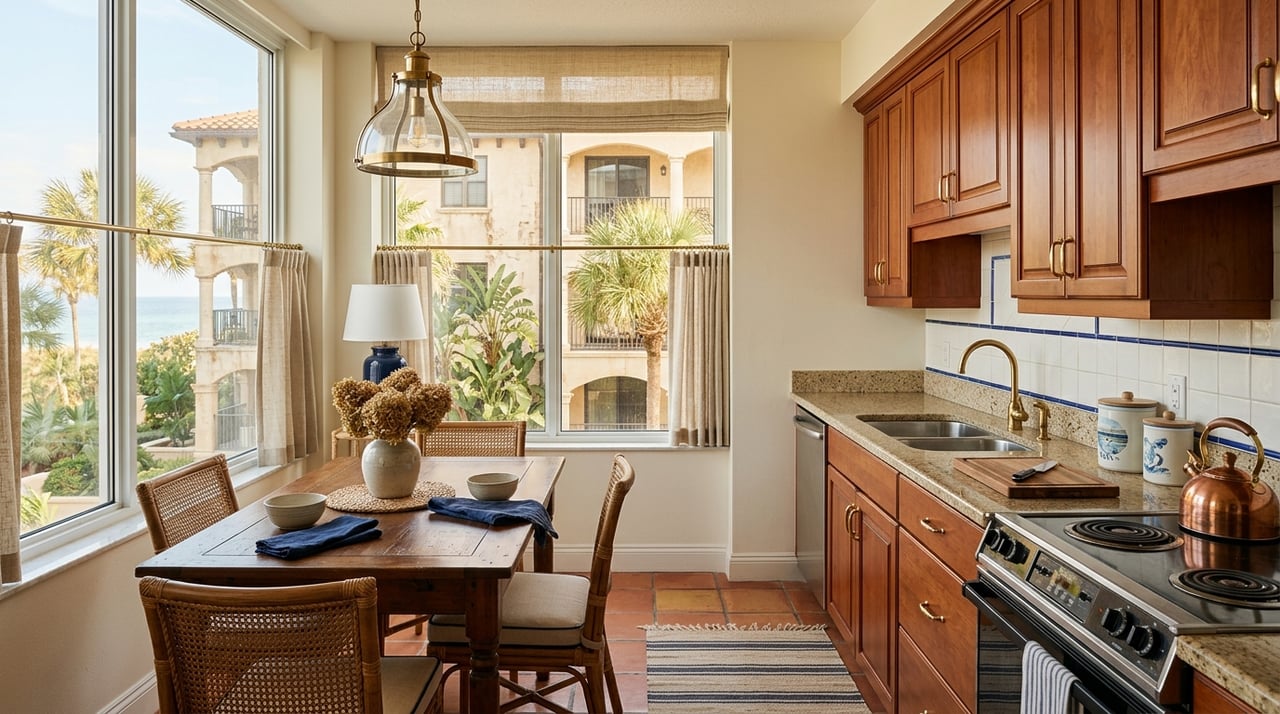
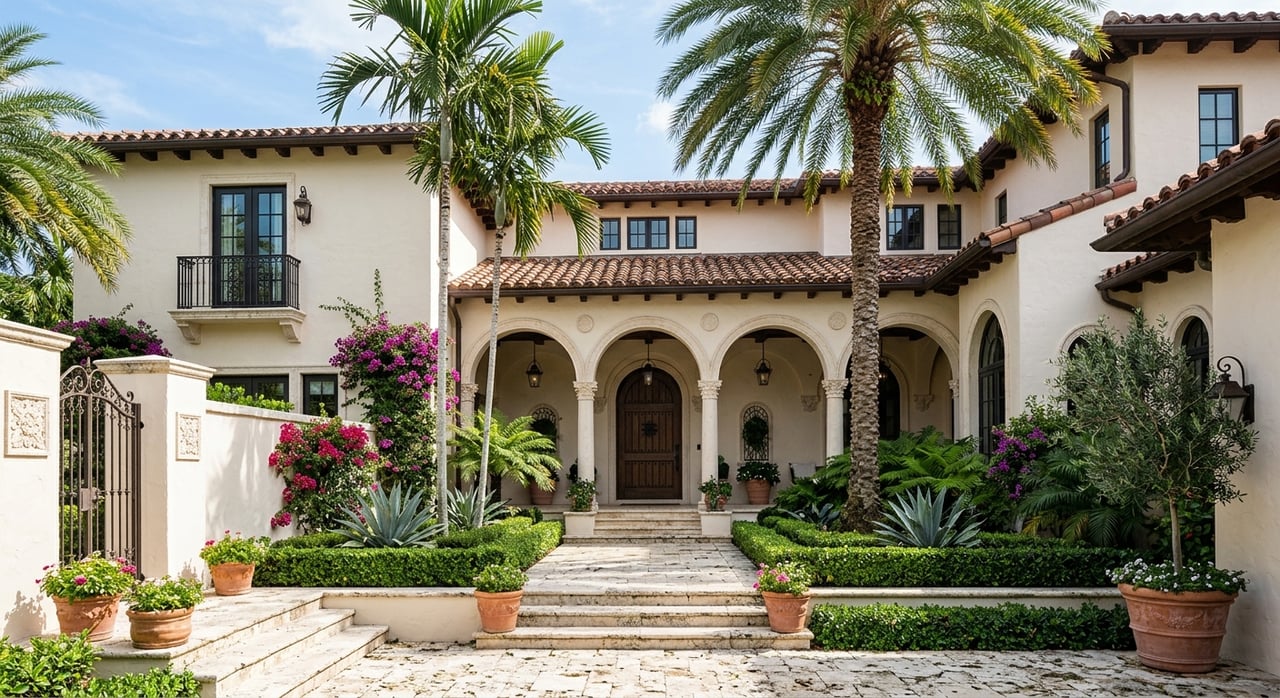
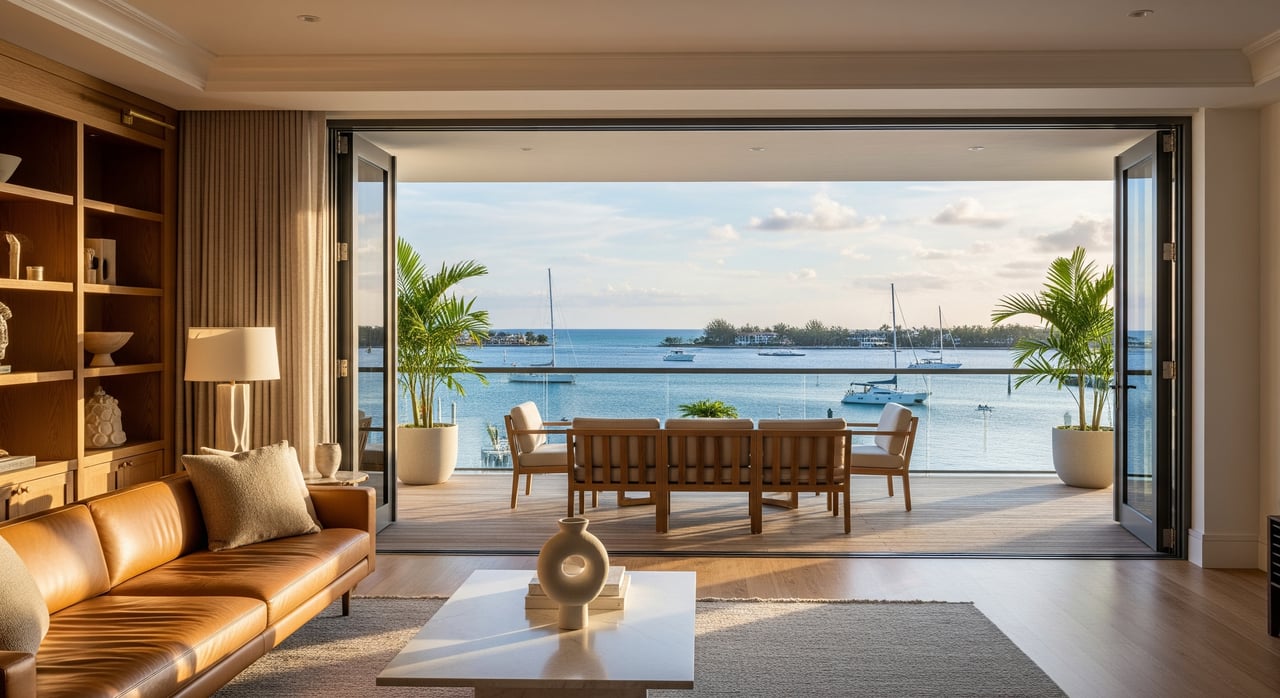
You will find a mix of housing styles: downtown and waterfront condos, walkable historic districts like Flamingo Park and El Cid, and more suburban options as you head toward Lake Worth and Greenacres. Activity often rises in fall through spring during snowbird season, which can affect inventory and competition. If you are open to different neighborhoods and property types, you can often expand your options.
Two key local factors shape affordability: insurance and flood exposure. Many homes sit in FEMA-mapped flood zones, and lenders typically require flood insurance with federally backed loans when a property is in a mapped zone. Windstorm coverage and hurricane deductibles are common across South Florida, so get quotes early and factor them into your monthly budget.
What you can afford
A smart budget includes more than the purchase price. Look at your full cash-to-close and your monthly expenses. Your lender can help you estimate totals, but it helps to understand the pieces.
Key items to include:
- Down payment and earnest money held in escrow
- Closing costs and prepaid items like taxes, insurance, and interest
- Monthly principal and interest
- Property taxes for Palm Beach County and any exemptions you may qualify for
- Homeowners and flood insurance, which can be higher in coastal Florida
- HOA or condo fees, plus reserves for potential special assessments
As a rule of thumb, buyers often pay about 2% to 5% of the purchase price in closing costs, not including the down payment. Actual amounts vary by loan type, lender, and negotiation. Ask your lender for a Loan Estimate to compare options.
Get offer-ready
Being prepared helps you move fast when the right home hits the market. Pre-approval shows sellers you are serious and gives you a clear budget.
Your pre-offer checklist:
- Get a mortgage pre-approval, not just a pre-qualification
- Gather documents: recent pay stubs, W-2s, tax returns if self-employed, bank statements, and photo ID
- Price your all-in budget, including HOA or condo fees and insurance
- Ask an insurance broker for ballpark quotes for homeowners and flood coverage
- Check FEMA flood maps for zone status and confirm any elevation certificates
- Plan your earnest money so you can provide proof of funds with the offer
Making an offer
In Florida, you will likely use a standard Florida Realtors contract. Your offer includes price, earnest money, a closing date, and key contingencies such as inspection and financing.
Ways to strengthen an offer in competitive moments:
- Offer a reasonable earnest money deposit and show proof of funds
- Keep inspection and financing timelines tight but safe for your situation
- Be flexible on the closing date if the seller needs time
Shortening contingencies can help your offer stand out, but it increases your risk. Talk through tradeoffs before you commit.
Condo and HOA guide
Condos are common near downtown and the waterfront, and HOAs are standard in many townhome and single-family communities. There are two approval streams to understand: 1) your lender’s eligibility for the condo project and 2) the association’s approval of you as a buyer or occupant.
What to review in association documents:
- Monthly fees and what they include, such as reserves, insurance, water, or cable
- Reserve studies and current reserve levels
- Special assessments, recent or pending, and any major capital projects
- Rental and short-term rules, occupancy limits, or age restrictions where applicable
- The master insurance policy vs owner responsibilities for interiors
- Rules for pets, renovations, and subletting
Common condo red flags include low reserves, high delinquencies, active litigation, repeated special assessments, or projects that are ineligible for common loan programs. For Florida guidance, condos are governed by Chapter 718 of the Florida Statutes and HOAs by Chapter 720.
Insurance and flood smart moves
Insurance is a major line item in West Palm Beach. Some older homes or buildings with deferred maintenance can face higher premiums or limited carrier options. If a property sits in a Special Flood Hazard Area, flood insurance may be required by your lender.
Smart moves to keep costs manageable:
- Request any wind mitigation or 4-point inspection reports to understand features and roof age
- Ask about opening protection and roof-to-wall connections that can lower premiums
- Get quotes early and confirm any required upgrades for policy issuance
- Check the property’s flood zone and ask for an elevation certificate if available
Under contract to closing
Once your offer is accepted, the clock starts. Financed deals commonly close in 30 to 60 days. Cash can close faster, sometimes in 2 to 30 days. Condo and HOA approvals can add 7 to 30 days, depending on the association.
Your due diligence plan:
- Schedule a general home inspection within your contingency window, often 7 to 14 days
- Order specialty inspections: WDO/termite, roof, HVAC, and mitigation or flood-related checks as needed
- Complete your loan process and appraisal; a low appraisal may require negotiation or extra cash
- Review the title commitment for liens or restrictions
- Request the condo resale package or HOA estoppel and complete your buyer application
- Lock homeowners and flood insurance once you are satisfied with terms
- Do a final walk-through 1 to 3 days before closing to confirm condition
Closing costs in Florida
Your cash to close includes your down payment plus your closing costs and prepaids. Here are the typical buckets to expect:
- Lender and loan costs, including appraisal, credit report, and origination
- Title search and closing agent fees, plus title insurance
- Florida recording fees and state documentary stamp taxes that vary with price and loan amount
- Prepaid interest, property taxes, and insurance
Who pays for specific title charges can vary by local custom and negotiation. Confirm expectations with your agent and closing team at the offer stage.
Taxes and homestead basics
If the home will be your primary residence, ask about the Florida homestead exemption. It can reduce your assessed value for property taxes, subject to qualifications and deadlines. Many years use a March 1 filing deadline with the county property appraiser. Florida’s Save Our Homes cap may also limit annual assessment increases on homesteaded properties, and portability rules may apply if you move your primary residence within the state.
Common red flags to surface early
Catching issues early can save time and money:
- Insurance obstacles or unusually high premiums
- Older roofs, significant deferred maintenance, or structural concerns
- Condo or HOA with low reserves, litigation, or repeated special assessments
- Title problems or unresolved liens
- Flood zone surprises that change insurance requirements
- Condo projects that are ineligible for your intended loan program
Local questions to ask
Ask your lender:
- Can you issue a pre-approval with a Loan Estimate I can compare?
- Which loan programs fit me, and are there condo restrictions I should know?
- What is my estimated cash to close and monthly payment including HOA and possible flood insurance?
Ask the listing agent or HOA/management:
- Is the property in a designated flood zone, and is there an elevation certificate?
- Can you provide the resale package or estoppel, current dues, and any recent assessments?
- What does the master insurance policy cover, and what is the owner responsible for?
- Are there any lawsuits, special assessments, or major projects underway?
Timeline at a glance
Here is what a typical timeline looks like. Actual timing varies by loan type, association processing, and how competitive the market is when you buy.
- Pre-offer: 1 day to 2+ weeks, depending on your documents and credit
- Under contract to close with financing: 30 to 60 days
- Cash purchase: 2 to 30 days
- Condo or HOA approval: 7 to 30 days, depending on the association
Your first-home checklist
Use this quick list to keep your search on track:
- Get pre-approval and organize your documents
- Price your total budget, including HOA fees and insurance
- Check flood zones and collect insurance quotes early
- Review condo or HOA documents for reserves, assessments, and rules
- Plan earnest money and choose contingency timelines that fit your risk level
- Schedule inspections and appraisal quickly after going under contract
- Confirm title, insurance, and association approval requirements
- Complete a final walk-through and prepare post-closing tasks
Final thoughts
Buying your first home in West Palm Beach is about preparation and local insight. If you plan for insurance, understand flood exposure, and read condo or HOA documents carefully, you will avoid most surprises. Pair that groundwork with a strong pre-approval and a thoughtful offer strategy, and you will be ready to move when the right property appears.
If you want a local guide who understands the nuances of condos, insurance, and neighborhood tradeoffs, connect with Elena Terrones. She brings hands-on development perspective and boutique service to help you buy with confidence.
FAQs
What are typical closing costs for first-time buyers in West Palm Beach?
- Buyers often pay about 2% to 5% of the purchase price in closing costs, not including the down payment; actual amounts depend on your loan, lender, and negotiated terms.
How long does a financed purchase take to close in West Palm Beach?
- Financed purchases commonly close in 30 to 60 days, while cash deals can close faster, sometimes in 2 to 30 days.
Do I need flood insurance to buy in West Palm Beach?
- If the property is in a FEMA-mapped Special Flood Hazard Area and your loan is federally backed, lenders typically require flood insurance; check the flood zone early.
What should I review in a condo association before I buy?
- Review monthly fees, reserves, special assessments, rental rules, insurance coverage, and any litigation; also confirm your loan program is eligible for the project.
When should I apply for the Florida homestead exemption?
- If the home is your primary residence and you qualify, you can apply with the county property appraiser; many years use a March 1 deadline.